
The Ultimate Guide to Flat Pack Kitchen Cabinets in Australia
Flat pack kitchen cabinets have become a popular choice for many homeowners in Australia looking to renovate or build their dream kitchens. These cabinets come in a variety of styles and offer numerous benefits, making them an attractive option for DIY enthusiasts and professionals alike.

Benefits of Flat Pack Cabinets
Flat pack kitchen cabinets are a smart, budget-conscious option for anyone updating their kitchen. They’re simple to assemble, even for beginners, and come with clear instructions and all the required parts. For DIY lovers, they also offer the satisfaction of building it yourself.
Here’s why they’re a popular choice:
Affordable without cutting corners: Flat pack cabinets typically cost less than custom-built options, making them perfect for budget-conscious renovators. And you still get quality materials and finishes. Look at this article on budget-friendly kitchen cabinets.
Flexible design options: You can mix and match cabinet types to suit your kitchen layout and personal style. Whether you’re working with a tight space or an open-plan kitchen, there’s a solution that fits.
Fast availability: No need to wait weeks for production. These cabinets are pre-made and often ready to go, making them ideal for quick turnarounds.
Customisable finishes: Even though they come pre-cut, you still have control over the look. Choose your own colours, handles, and accessories to match your kitchen design. Look at this article on custom cabinet finishes.
Space-saving potential: With smart configurations and a wide range of sizes, flat pack cabinets make the most of your kitchen space. Explore our guide on kitchen cabinet storage solutions.
Stylish and versatile: From sleek modern lines to classic timber looks, there’s a style to match every home.
Eco-conscious choices: Many flat pack options use sustainable materials and manufacturing practices, making them a good choice for environmentally aware homeowners.
They’re practical, good-looking, and easy on the wallet—which is exactly why flat pack kitchen cabinets have become a go-to option across Australia. Look at this article on best materials for kitchen cabinets.
Types of Flat Pack Kitchen Cabinets
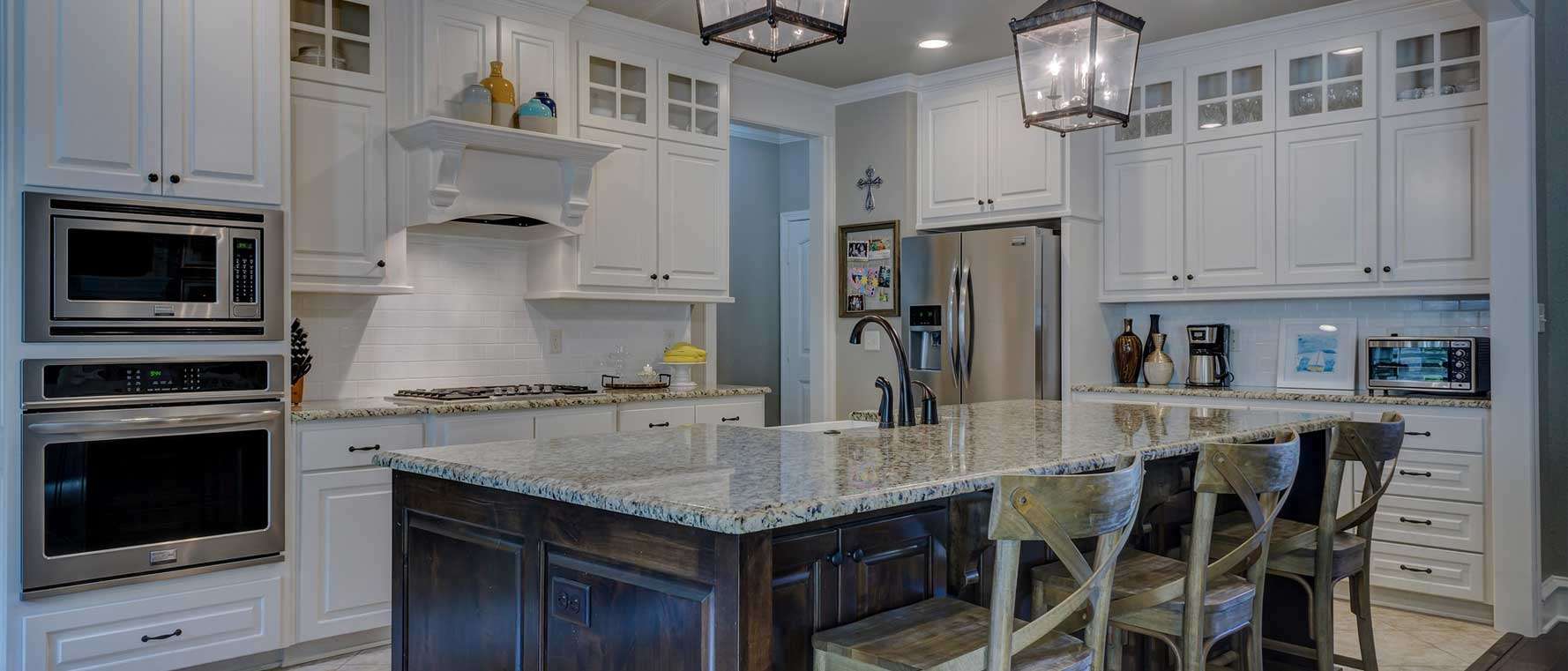
When it comes to designing a kitchen with flat pack cabinets, understanding the different types of cabinets available is crucial. Each type serves a specific purpose and helps in organizing the kitchen efficiently. The main types of flat pack kitchen cabinets are base cabinets, wall cabinets, and pantry cabinets.
Base Cabinets
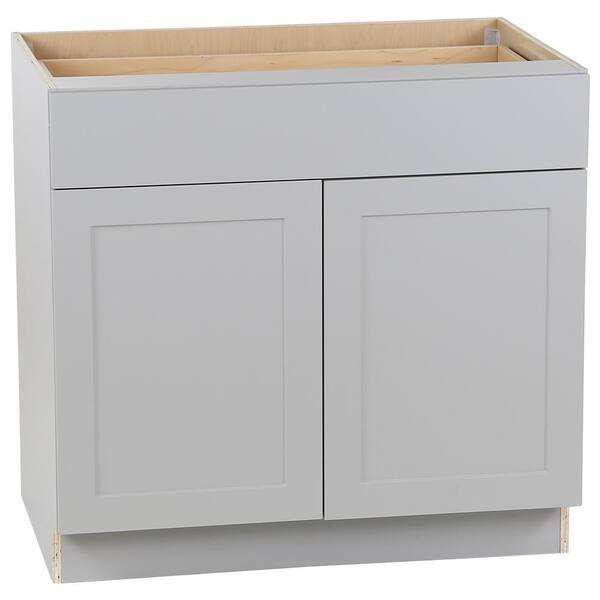
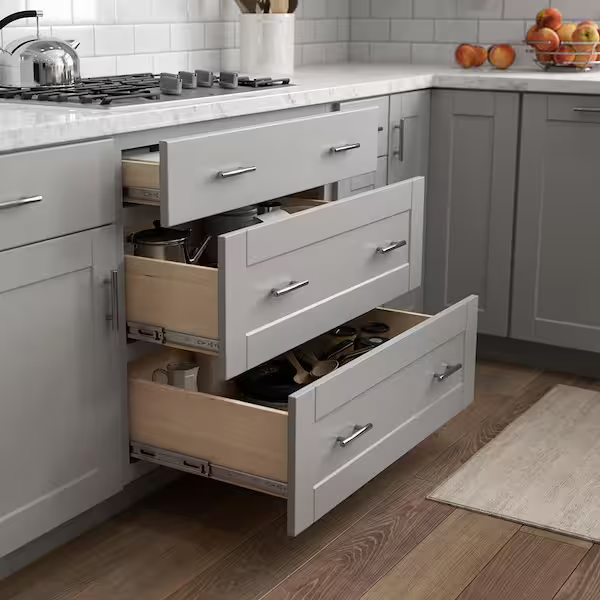
Base cabinets are the foundation of any kitchen design. These cabinets sit on the floor and provide crucial storage while supporting the countertop. They are typically used to store heavier items such as pots, pans, and kitchen appliances.
| Base Cabinet Type | Dimentions (H x W x D) | Common Use |
|---|---|---|
|
Standard Base |
34.5″ x 24″ x 24″ |
General Storage |
|
Drawer Base |
34.5″ x 24″ x 24″ |
Utensils and small appliances |
|
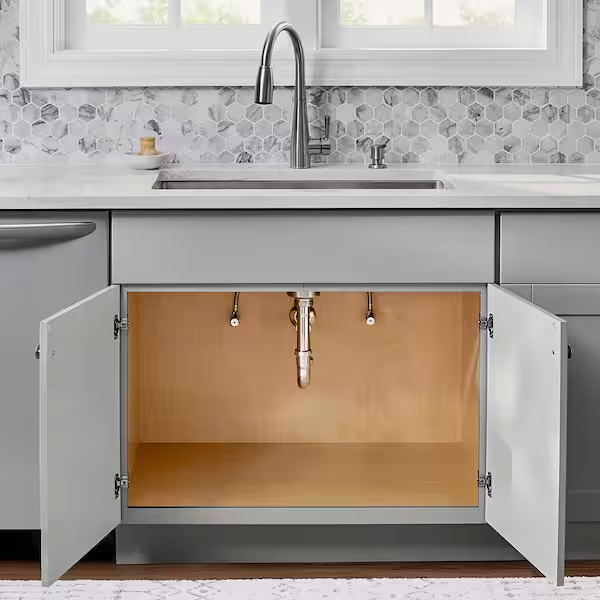
Sink Base |
34.5″ x 24″ x 24″ |
Under-Sink Storage |
For more insights on optimal storage solutions, check our article on kitchen cabinet storage solutions.
Wall Cabinets
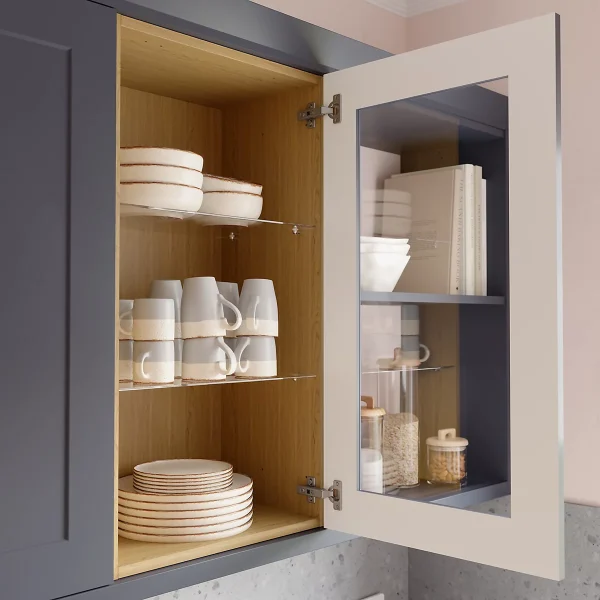
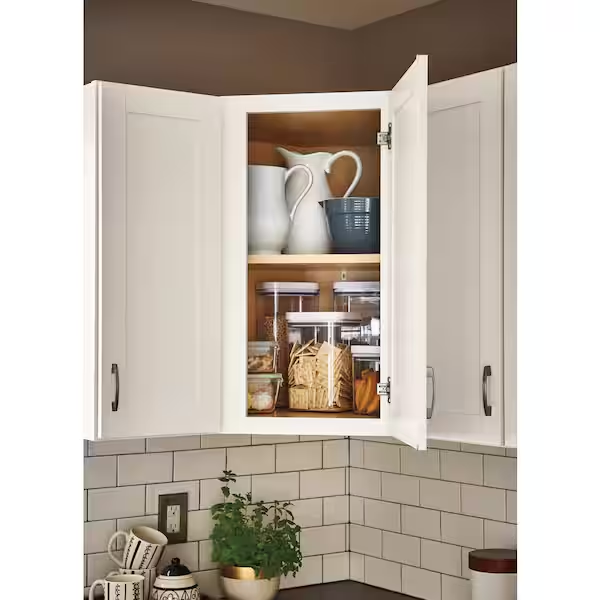
Wall cabinets are mounted on the wall above the countertops and are essential for storing items that need to be easily accessible. They help in maximizing vertical space, making them ideal for small kitchens.
| Wall Cabinet Type | Dimentions (H x W x D) | Common Use |
|---|---|---|
|
Standard Wall |
30″ x 12″ x 12″ |
Dishware and glassware
|
|
Corner Wall |
30″ x 12″ x 12″ |
Maximising corner space |
|
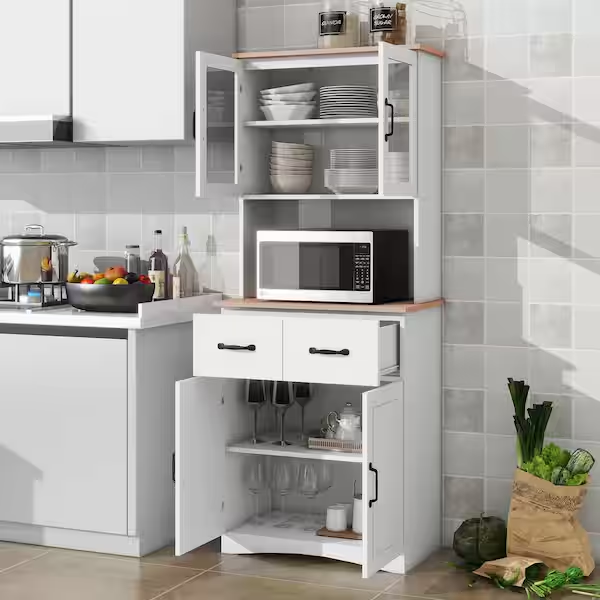
Microwave wall |
30″ x 30″ x 12″ |
Microwaves and small appliances
|
Pantry Cabinets
Pantry cabinets are tall storage units designed to hold a large quantity of food items, kitchen supplies, and other essentials. They are particularly useful for maintaining an organized and clutter-free kitchen.
| Pantry Cabinet Type | Dimentions (H x W x D) | Common Use |
|---|---|---|
|
Tall Pantry |
34.5″ x 24″ x 24″ |
Food storage |
|
Utility Pantry |
34.5″ x 24″ x 24″ |
Cleaning supplies |
|
Pull-out Pantry |
34.5″ x 24″ x 24″ |
Spices and small containers |
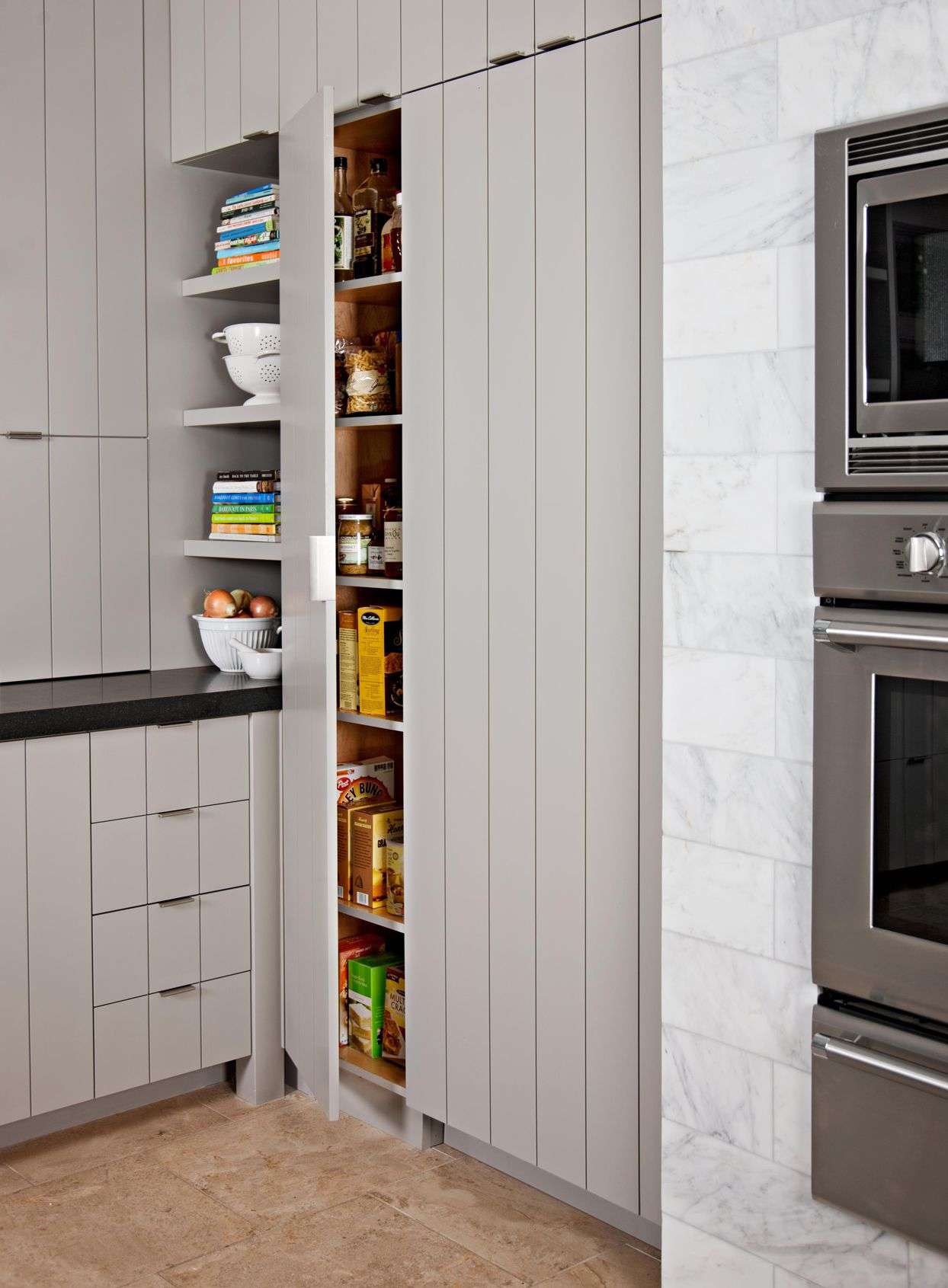
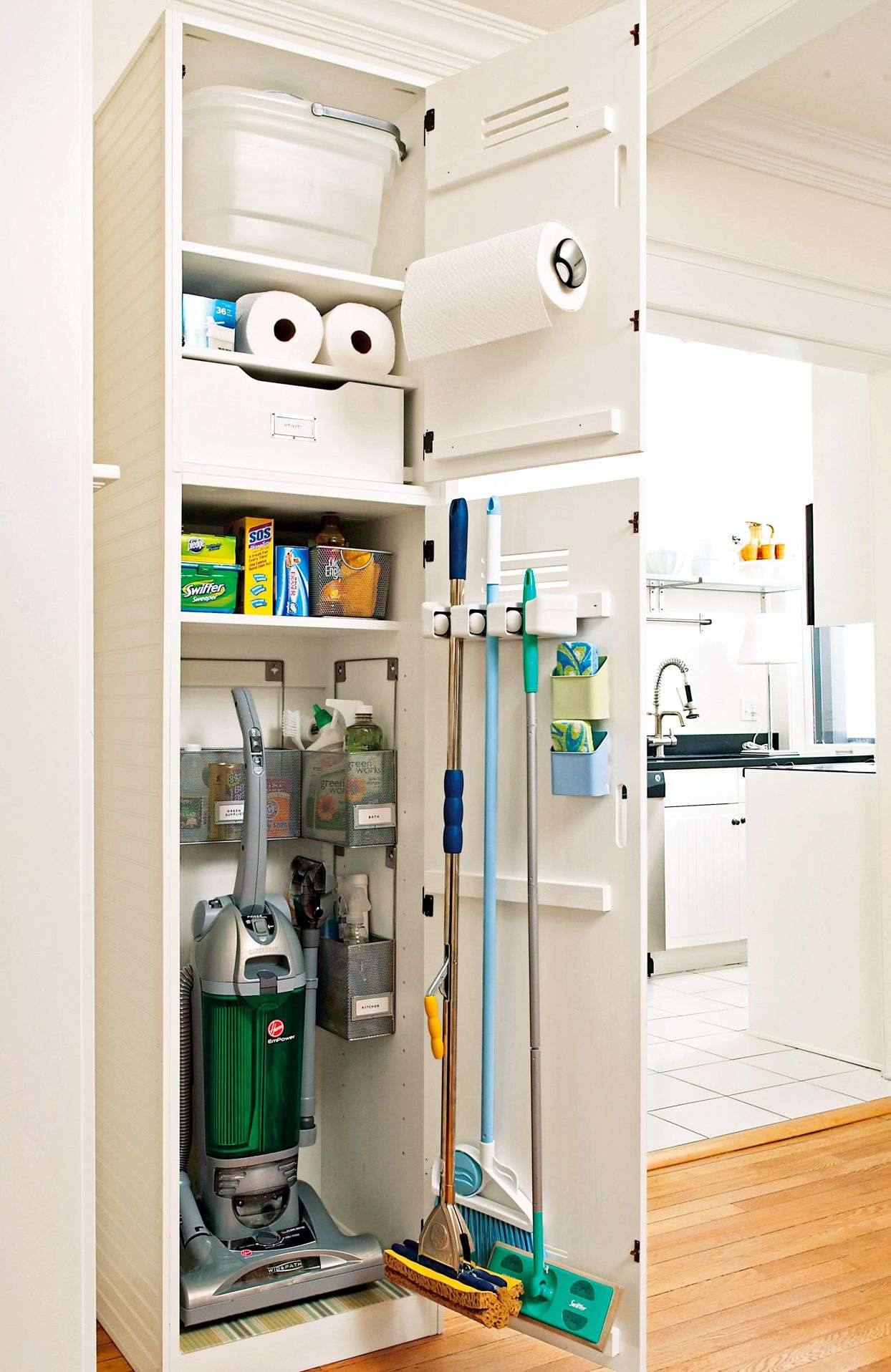

Adding functional hardware and finishes can further customize these pantry cabinets. For ideas, visit our article on custom cabinet finishes.
Understanding the types of flat pack kitchen cabinets will help in creating a kitchen layout that is both functional and aesthetically pleasing. For budget-friendly options, take a look at our guide on budget-friendly kitchen cabinets.
Considerations When Choosing Flat Pack Cabinets
When deciding to install flat pack kitchen cabinets, there are several crucial factors to consider. These elements will help ensure that the style, functionality, and durability of your cabinets align with your kitchen needs.
Kitchen Layout
The layout of your kitchen is an essential aspect when selecting flat pack cabinets. Understanding your kitchen’s dimensions and the placement of appliances, windows, and doors will guide you in choosing the appropriate types and sizes of cabinets. Consider the work triangle— the relationship between the stove, sink, and refrigerator— to optimise workflow and convenience.
Making a comprehensive floor plan that includes base, wall, and pantry cabinets can help determine the best configuration for your space. This can maximise storage and functionality while maintaining an aesthetically pleasing design.
| Cabinet Type | Ideal Placement |
|---|---|
|
Base Cabinet |
Below countertops |
|
Wall Cabinets |
Above countertops and appliances |
|
Pantry Cabinets |
Designated pantry area or kitchen corner |

Cabinet Materials
The material of your flat pack kitchen cabinets significantly impacts their longevity, appearance, and maintenance. Commonly used materials include solid wood, medium-density fiberboard (MDF), plywood, and particleboard. Each material has its own set of benefits and drawbacks.
Solid wood is known for its durability and classic look, but it can be more expensive. MDF offers a smooth finish and is cost-effective, but it’s not as strong as solid wood. Plywood strikes a balance between cost and durability, making it a popular choice for many homeowners. Particleboard is the most budget-friendly but tends to be less durable.
For a more detailed analysis, refer to our article on best materials for kitchen cabinets.
| Material | Advantages | Disadvantages |
|---|---|---|
|
Solid Wood
|
Durable, aesthetic |
Expensive |
|
MDF |
Smooth finish, affordable |
Less durable |
|
Plywood
|
Cost-effective, reasonably durable |
Can be prone to warping |
|
Particleboard |
Most affordable
|
Least durable |
Hardware and Accessories
The right hardware and accessories can enhance both the functionality and look of your flat pack kitchen cabinets. When choosing hardware, consider handles, knobs, hinges, and drawer slides. These components should be durable and match the style of your kitchen.
In addition, consider adding features like soft-close hinges, which prevent doors from slamming, and pull-out shelves, which increase accessibility. Organisers, spice racks, and dividers can also optimise storage space and keep your kitchen clutter-free. For innovative solutions, explore kitchen cabinet storage solutions.
| Hardware Type | Purpose |
|---|---|
|
Handles and Knobs
|
Facilitate opening and closing |
|
Hinges
|
Attach doors to the cabinet |
|
Drawer Slides
|
Allow smooth drawer operation |
|
Soft-Close Hinges
|
Prevent doors from slamming |
|
Pull-Out Shelves
|
Improve accessibility |
By thoroughly considering your kitchen layout, cabinet materials, and hardware, you can make an informed decision when choosing flat pack kitchen cabinets. These factors will help ensure a functional and stylish kitchen that meets your needs and preferences.

Installing Flat Pack Kitchen Cabinets
Tools Needed
When it comes to installing flat pack kitchen cabinets, having the right tools is essential for a smooth assembly process. Here’s a list of tools commonly required:
- Screwdrivers (Phillips and flat-head)
- Electric drill and drill bits
- Measuring tape
- Carpenter’s level
- Hammer
- Stud finder
- Clamps
- Pencil
- Safety gear (gloves and goggles)
Ensure all tools are on hand before starting to avoid interruptions during the installation.
Step-by-Step Installation Process

1. Preparation
Before starting, verify that you have all the parts and hardware specified in the flat pack kitchen cabinets instructions. Clear the area for assembly and keep tools and components organised.
2. Measure and Mark
Use a measuring tape to mark where the cabinets will be installed. Ensure these marks are level by using a carpenter’s level. Locate and mark the studs in the wall where the cabinets will be mounted.
3. Assemble Base Cabinets
Follow the manufacturer’s instructions to assemble the base cabinets. Typically, this involves attaching sides, backs, and shelves using screws and dowels. Use clamps to hold parts together if needed.
4. Attach Base Cabinets
Secure the base cabinets to the wall studs using screws. Ensure they are level and make adjustments as necessary before fully tightening the screws. Use a carpenter’s level to recheck the alignment.
| Task | Tool Needed |
|---|---|
|
Assembling cabinets
|
Screwdrivers, clamps |
|
Attaching cabinets to wall
|
Drill, level, screws |
5. Assemble Wall Cabinets
Assemble the wall cabinets following the instructions. This usually involves similar steps to the base cabinets but note any specific guidelines for wall installation.
6. Mount Wall Cabinets
With the help of another person, lift the wall cabinets into place. Secure them by screwing into the wall studs, ensuring they are level. It’s crucial to check the level and alignment before tightening all screws.
| Task | Tool Needed |
|---|---|
|
Assembling cabinets
|
Screwdrivers, clamps |
|
Mounting cabinets on wall |
Drill, level, screws |
7. Install Doors and Hardware
Once all cabinets are securely in place, attach the doors and any additional hardware, such as handles or knobs. Use a drill to create holes for hinges and screws.
8. Finishing Touches
Check all the cabinets and doors for proper alignment. Make any necessary adjustments to ensure everything functions smoothly. Now is also a good time to add any customizations, like painting or adding custom cabinet finishes.
This step-by-step guide is designed to assist in the seamless installation of flat pack kitchen cabinets. For more detailed tips on customizing and maintaining your cabinets, explore our articles on kitchen cabinet storage solutions and best materials for kitchen cabinets.

Customising Flat Pack Cabinets
Flat pack kitchen cabinets offer immense flexibility and can be easily customised to suit your aesthetic preferences and functional needs. Here, we explore two key ways to personalise your flat pack cabinets: painting and finishing, and adding personal touches.
Painting and Finishing
Painting and finishing your flat pack cabinets can dramatically transform your kitchen’s appearance. This customization allows you to achieve a unique look and feel, ensuring that your kitchen reflects your personal style.
Steps for Painting Flat Pack Cabinets
Preparation:
- Disassemble the cabinets if possible.
- Sand the surface lightly to create a smooth base.
- Clean the surface to remove dust and grime.
Priming:
- Apply a primer suitable for your cabinet material.
- Let the primer dry completely.
Painting:
Use high-quality paint designed for cabinetry.
Apply the paint in thin, even coats.
Allow each coat to dry before applying the next.
Sealing:
- Apply a clear sealant or topcoat for durability.
- Let it dry thoroughly before reassembling the cabinets.
For an in-depth guide on various finishes, see our article on custom cabinet finishes.
Adding Personal Touches
Beyond painting, there are numerous ways to add personal touches to flat pack kitchen cabinets, making them truly unique.
Options for Personalisation
- Hardware:
- Choose handles and knobs that complement your kitchen decor.
- Mix and match different styles for a personalised look.
- Lighting:
- Install under-cabinet lighting to enhance functionality and ambiance.
- Consider LED strips or recessed lighting options.
- Shelving and Organisers:
- Incorporate custom shelving solutions to maximise storage.
- Utilise pull-out trays, baskets, and dividers for organised space.
- Decorative Elements:
- Add crown moulding or trim for a sophisticated finish.
- Use stencils or decals to create designs on cabinet doors.
| Customisation | Method |
|---|---|
|
Hardware
|
Handles, Knobs, Hinges
|
|
Lighting
|
LED Strips, Recessed Lighting |
|
Shelving
|
Pull-out Trays, Custom Shelves
|
|
Decorative
|
Crown Molding, Stencils |
For more ideas on maximising space and functionality, check out kitchen cabinet storage solutions.
Flat pack kitchen cabinets provide an affordable and versatile option for creating a customised kitchen space. Whether you opt for painting, adding unique hardware, or introducing innovative storage solutions, the possibilities are endless. Dive into our guide on budget-friendly kitchen cabinets for more tips on transforming your kitchen within a budget.
Maintaining and Care for Flat Pack Cabinets
Proper maintenance and care are essential for keeping flat pack kitchen cabinets in excellent condition. This section provides valuable tips and solutions for cleaning and troubleshooting common issues associated with flat pack cabinets.
Cleaning and Maintenance Tips
Regular cleaning and proper maintenance can extend the lifespan of flat pack kitchen cabinets. Here are some essential tips:
- Dusting: Regularly dust the surfaces of the cabinets using a soft, dry cloth to prevent the buildup of dirt and grime.
- Wiping Spills: Immediately wipe away any spills to prevent water damage and stains. Use a damp cloth followed by a dry cloth to absorb excess moisture.
- Cleaners: Use mild, non-abrasive cleaners to clean the surfaces. Avoid harsh chemicals that can damage the finish.
A mixture of water and mild dish soap often works well. - Handles and Hinges: Check handles and hinges periodically to ensure they are secure. Tighten any loose screws to
maintain the structural integrity. - Avoid Excess Moisture: Keep the kitchen well-ventilated to minimize humidity and moisture exposure, which can warp or damage the cabinets.
- Cabinet Interiors: Clean the interior surfaces using a vacuum with a brush attachment and a damp cloth for a thorough cleanup.
Troubleshooting Common Issues
Flat pack kitchen cabinets may encounter common issues over time. Here are some potential problems and their solutions:
| Issue | Cause | Solution |
|---|---|---|
|
Loose Hinges |
High usage or improper installation
|
Tighten the screws or replace them if they are worn out. Ensure hinges are correctly aligned. |
|
Warped Doors
|
Moisture exposure
|
Reduce humidity levels in the kitchen, ensure proper ventilation, and use a dehumidifier if necessary. |
|
Stuck Drawers
|
Dirt buildup or misalignment
|
Clean the tracks and slides thoroughly. Realign the drawer tracks if they appear to be misaligned. |
|
Scratches on Surface
|
Daily use or abrasive cleaning agents
|
Use a specialised wood or laminate repair kit to fill in scratches. Avoid using abrasive cleaners in the future. |
|
Discolouration
|
Sunlight exposure or chemical cleaners
|
Avoid placing cabinets in direct sunlight. Use UV-resistant finishes. Clean with appropriate products. |
These cleaning and maintenance practices, along with troubleshooting tips, ensure that flat pack kitchen cabinets remain functional and aesthetically pleasing for years.
For more specific information on materials and finishes, refer to our article on best materials for kitchen cabinets. Additionally, explore custom cabinet finishes to personalize your flat pack kitchen cabinets.